
Rookie Cards Explained for Beginners: What “Rookie” Really Means and Why It Matters
If you are new to baseball rookie cards, the word “rookie” can get confusing fast.
In this guide, we will keep it simple and practical:
- What is a rookie card
- What a rookie baseball card looks like
- Rookie card vs first card vs prospect card
- Base set vs insert vs parallel (what counts as the “main” rookie)
- Why rookie cards can be worth more
- How to check value using a simple rookie card price guide approach
Rookie Card Meaning in One Minute
A rookie card is usually the first trading card that features a player after they reach the highest level of their sport. In baseball, that typically means a player’s first card after their MLB debut.
That sounds simple, but beginners quickly run into a messy question: is it the first card ever made of that player, or the first card labeled rookie? We will clear that up in a way that matches how buyers actually talk.
What Does a Rookie Card Look Like?
If you are staring at a stack and thinking what does a rookie card look like, here are the visual clues.
Look for:
- A small rookie card logo or “RC” stamp on the front or back.
- The player’s first season at the top level is often called their rookie year.
- A design that matches the main checklist for the set, not a special themed card.
Beginner shortcut: if you see the rookie card logo, put that card in a “check value” pile right away. It is not a guarantee of big money, but it is a strong signal that you are holding a card the market watches.
This is the part that helps people separate baseball card rookies from regular cards without learning the whole hobby in one day.
Rookie Card vs First Card vs Prospect Card
This is where most confusion happens, especially for rookies, sports cards, and modern collecting.
Here is the simple language:
- First card: the first card ever made of a player, even if it was early, minor league, or a limited release.
- prospect card: a card made before a player becomes a major leaguer.
- rookie card: the “rookie era” card that the mainstream market usually treats as the key early card.
Why this matters: A player can have a prospect card that came out before the “official rookie” year. Some collectors call that the true first, while others only pay up for the rookie-labeled card.
If you are building a beginner plan for rookie sports cards, this section is the one that stops people from buying the wrong version.
The “True Rookie Card” Question: Base Set vs Insert vs Parallel
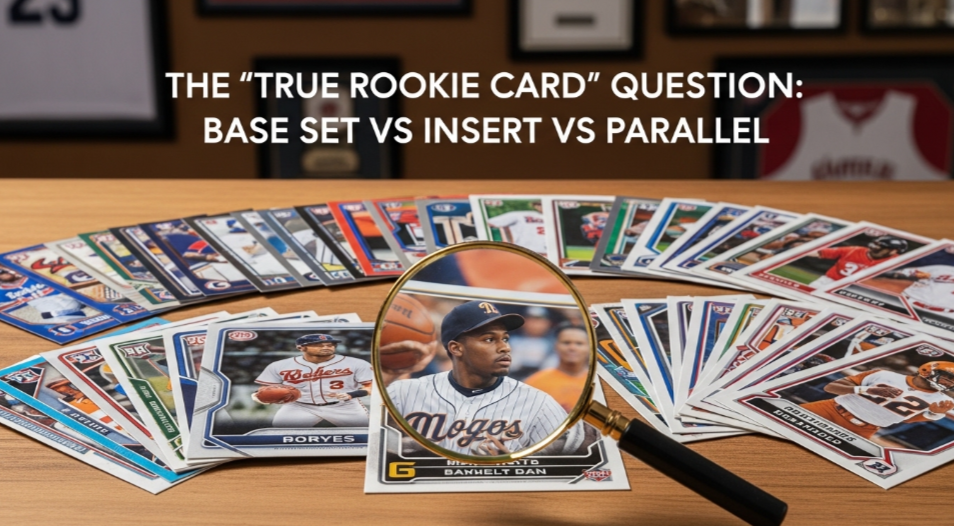
Beginners often look for rookie card baseball and see three versions of the same player in the same year. That is not a mistake. It is how modern products work.
A very common hobby rule is that a “true rookie card” is usually a base set card, not an insert, not a parallel, and not a redemption-only version.
Plain meanings:
- base set: the main checklist, the standard cards most packs are built around.
- insert: a special themed card that appears less often than base cards.
- parallel: a card that looks almost like the base card, but with a color, foil, or small design change.
Beginner’s rule for baseball cards:
- If you want the most recognized rookie version, start with the base set rookie first.
- If you want the flashier version, parallels and inserts can be fun, but learn the base card first.
Baseball Rookies by Year: How to Match the Rookie Year Correctly
A lot of people look for baseball rookies by year because they are trying to match a card to the player’s real timeline.
Here is the simple method:
- Step 1: Confirm the player’s first season at the top level, their MLB debut season.
- Step 2: Check if the card is from that same year or the year after, depending on when the product was released.
- Step 3: If there are multiple rookie logo cards, start with the base set version.
You do not need to memorize stats. You need to match the year and the type of card. This is also how we prevent sellers from pricing a card as a rookie when it is a second-year card.
Why Rookie Baseball Cards Matter for Value
This is the “why it matters” part of the title, and it connects directly to leads and pricing.
Rookie cards matter because collectors often value a player’s first major card more than later years. Prices can swing a lot, and for famous examples, rookie era cards can reach high numbers. Some rookie-era cards have sold for millions, but most rookie cards are not high-dollar. Value depends on the player, the version, and the card’s condition.
Now, the practical part for beginners: most rookie baseball cards are not worth thousands. Value usually comes from a mix of:
- Player demand
- baseball card rarity (short print, limited run, or scarce in high grade)
- condition (sharp corners, clean surface, solid centering, tidy edges)
- Version type (base vs insert vs parallel)
If you are looking best rookie cards baseball, the “best” usually means a combination of a star player and the most widely recognized rookie version, often the base rookie.
A Rookie Card Price Guide: How Beginners Should Check Value
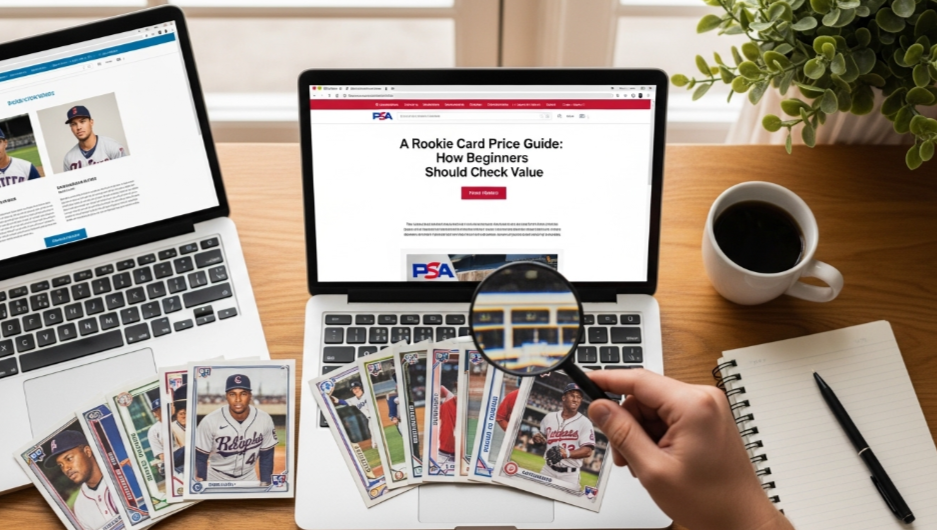
If your goal is selling or buying smart, you need a rookie card price guide approach that uses real sales, not wishful listings.
The clean process:
- Search for the exact year, set name, player, and card number.
- Match the same grade if it is graded, or match the closest raw condition.
- Compare a small group of recently sold results, then use the typical range.
Some price tools keep a deep sales history, including public sales data going back to 2000.
The point is not chasing one screenshot. The point is using a few real sales, so you are not guessing.
If you are buying, this protects you from overpaying. If you are selling, it helps you explain your price expectations clearly.
Rookie Cards to Buy Now: A Safe Beginner Way to Think About It
People ask for rookie cards to buy now because they want winners. We cannot predict the future, but we can keep beginners from making predictable mistakes.
A safer way to choose:
- Start with players you actually want to follow.
- Start with the base rookie first, then learn parallels later.
- Avoid paying “perfect card” money for a card with visible damage.
- Treat hype spikes carefully. If a player is hot for one week, prices can cool fast.
If you want help choosing, our advice is simple: buy what you enjoy, and learn the rookie structure before chasing rare versions. That approach keeps rookie-card baseball fun rather than stressful.
The Rookie Sports Cards Mistakes We See All the Time
Here are the mistakes behind the phrase, the rookie sports cards confusion we hear from new collectors.
Common mistakes:
- Buying an insert and assuming it is the “true rookie” without checking the base.
- Paying parallel prices without understanding print runs or scarcity.
- Calling a prospect card a rookie when it is actually a pre-debut card.
- Ignoring the condition because the card is shiny.
If you fix these, you will instantly feel more confident in rookie sports cards and baseball rookie cards.
Ready to Sell a Rookie Baseball Card or a Full Collection?
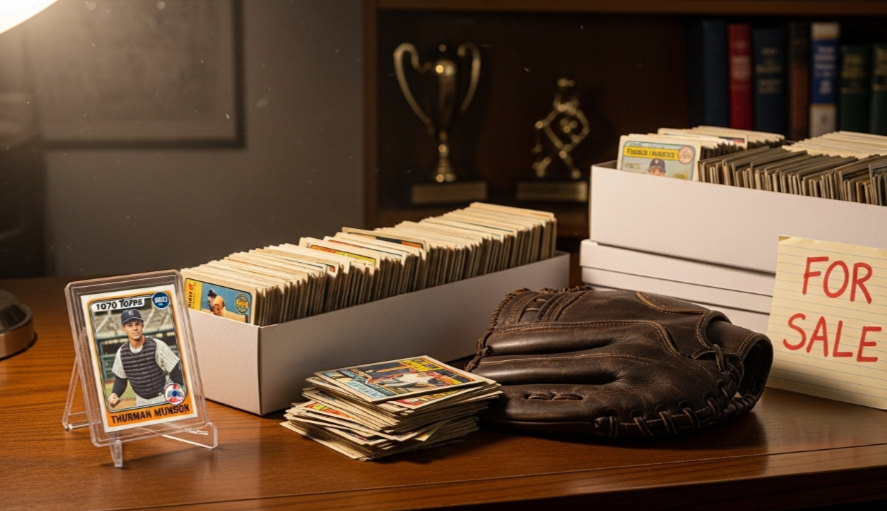
If you have a rookie baseball card you think might be valuable, or you have complete boxes and binders of rookie baseball cards, we can help you get a clear answer without making it complicated.
What to send us for a fast evaluation:
- Photos of the front and back of your best rookies
- Close-ups of corners and surface on your top cards
- Any graded slabs, with the label visible
- A wide photo of the full collection, so we understand the size and era
At Baseball Card Roadshows, we buy baseball, football, basketball, and hockey cards, graded or raw, from a few key cards to full collections, and we focus on private one-on-one appointments.
We work with collectors across North Carolina, South Carolina, Tennessee, Kentucky, Virginia, West Virginia, Indiana, Pennsylvania, and Ohio.