
What to Do First After Finding Old Baseball Cards in Storage
Finding a box of old baseball cards in storage can get exciting fast. It can also get confusing just as quickly. One stack may look ordinary, another may include stars, and somewhere in the middle, there might be a few cards that deserve real attention. If you are in North Carolina and just opened an attic box, closet tote, binder, or inherited baseball card collection, the first goal is simple: protect the cards, sort them smartly, and avoid early mistakes that can cost you time or money.
Do Not Clean, Reorder, or Break Up the Collection Yet
The first mistake many people make is trying to “improve” the cards before they know what they have. That usually backfires.
Do not:
- wipe the surface
- erase marks
- clean edges or corners
- flatten warped cards
- peel tape or old stickers
- separate everything from its original order right away
Even older commons can lose appeal when they are overhandled. If the cards came from a family member, an old shoebox, a binder, or a storage case, leave the order as is until you have completed a basic review. Sometimes, the way a collection was stored can help you determine its era, condition, and whether it may have been built carefully over time.
If you found old baseball card packs, unopened material, or graded cards in plastic slabs, set those aside carefully and do not tamper with them.
Start With a Fast Four-Pile Sorting Method First
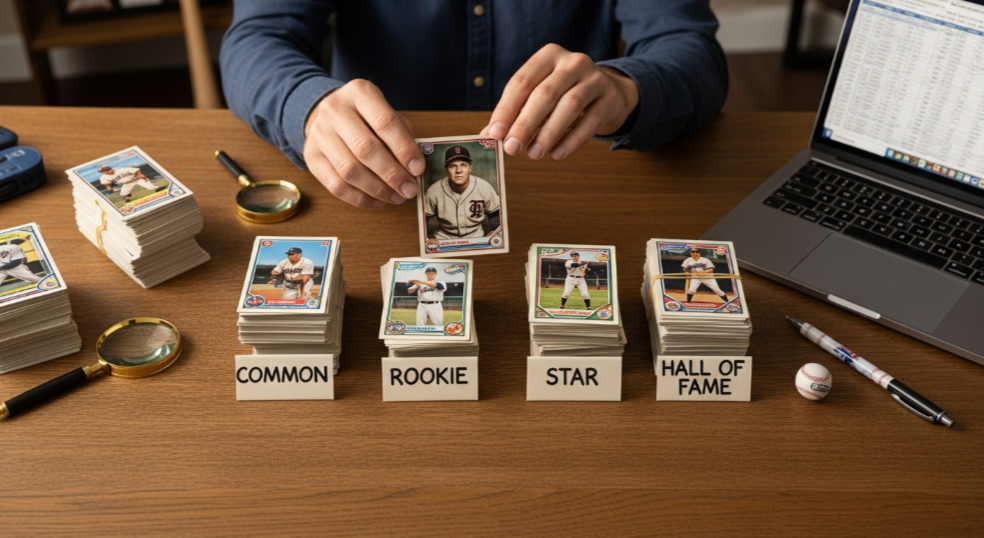
You do not need to sort every single card by player before taking the next step. A simple four-pile method is much better.
Create these groups:
- older vintage baseball cards, especially pre-1972 material
- stars, Hall of Famers, and rookie cards
- graded cards, unopened packs, and anything unusual
- everything else
This gives you a fast snapshot of the collection without turning the whole afternoon into a project. If you already know some names, great. If not, just look for cards that feel older, look different, or stand out from the bulk.
This is also a good point to glance through our quick value checklist so you know what details matter before you go deeper.
Look for the Cards That Actually Drive Real Value
A lot of people wonder if old baseball cards are worth money just because they are old. Age helps, but it is not the only thing that matters.
Real value usually comes from a mix of:
- era
- player
- rookie status
- rarity
- condition
- demand
- whether the card is already graded
That means one small group in the box may matter more than the rest. A clean vintage Hall of Fame card can be far more important than a large pile of common cards from a weaker era. At the same time, bulk still matters because complete runs, team lots, and overlooked key cards sometimes hide there.
If you want a better sense of how old baseball cards’ value is judged, this guide on how to tell if your vintage cards are valuable is a strong next step.
Protect Card Condition Before You Handle Them Any Further
Once you spot anything promising, slow down. Condition is one of the biggest drivers behind old baseball card values.
Use basic protection:
- penny sleeves for cleaner raw cards
- top loaders or sturdy holders for the better pieces
- a dry, cool room away from sunlight
- clean hands and a clear table
Avoid basements with moisture, garages with heat swings, and smoky rooms. Do not stack sharp corners against each other. Do not pass better cards around the room for everyone to inspect. If the collection is large, protect the best cards first and leave the rest grouped until you are ready.
Use Sold Prices Instead of Dream Listing Prices
One of the fastest ways to misread the value of old baseball cards is to search online and grab the highest number you see. Asking prices are not the market. Sold prices are.
When comparing the price of old baseball cards, match:
- the same year
- the same brand and card number
- the same player
- similar condition
- raw versus graded status
Look at several recent sales, not just one. A single outlier does not tell you much. If you are trying to figure out how much old baseball cards are worth, this step matters more than most people realize.
Know When Grading Helps and When It Usually Does Not
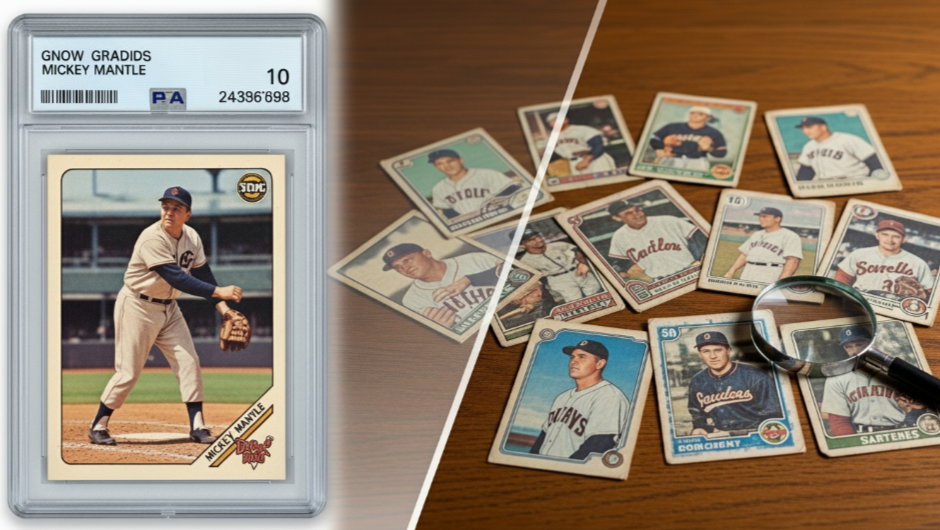
A lot of storage finds include cards that look old but are not worth grading. Card grading usually makes the most sense when the card already has some real value, looks sharp enough to benefit from a strong grade, or is important enough that buyers want third-party confirmation.
Grading may be worth a closer look if you found:
- vintage star cards
- strong rookie cards
- cleaner pre-1972 pieces
- scarce inserts or rare old baseball cards
- cards that already seem valuable in recent sales
Grading is usually a poor first move for damaged commons, heavily worn bulk, or cards you have not priced yet. Before sending anything off, it helps to read how to prepare your baseball card collection before our visit, so that you can make cleaner decisions.
What North Carolina Families Usually Need Help With First
In North Carolina, a lot of these finds come from inherited collections, old family closets, garage storage, and binders that have not been opened in years. The questions are usually the same:
- Are old baseball cards worth anything?
- Should I sell now or hold them?
- Is this just bulk, or is there something valuable here?
- Do I need grading first?
- Where can you sell old baseball cards without getting lost in the process?
The biggest problem is not always value. It is uncertainty. Most people do not want to spend weeks researching every card just to learn that only a small group deserves real attention. That is why a calm first sort and a realistic review matter so much.
When a Private Appraisal Makes More Sense Than Guessing
If the collection includes older vintage baseball cards, key players, unopened material, graded pieces, or a lot of unsorted boxes, a private appraisal can save you from bad assumptions. It is especially helpful when the collection came from family, and you want clear guidance before deciding whether to keep, grade, or sell old baseball cards.
At Baseball Card Roadshows, we help North Carolina families review old baseball cards in a private, one-on-one setting so they can understand what deserves attention, what the stronger value drivers are, and what the best next step looks like. If your collection may lead to a sale, you can also review how to sell your vintage baseball card collection privately before deciding what to do.
Get Clear Answers Before You Sell Anything Important
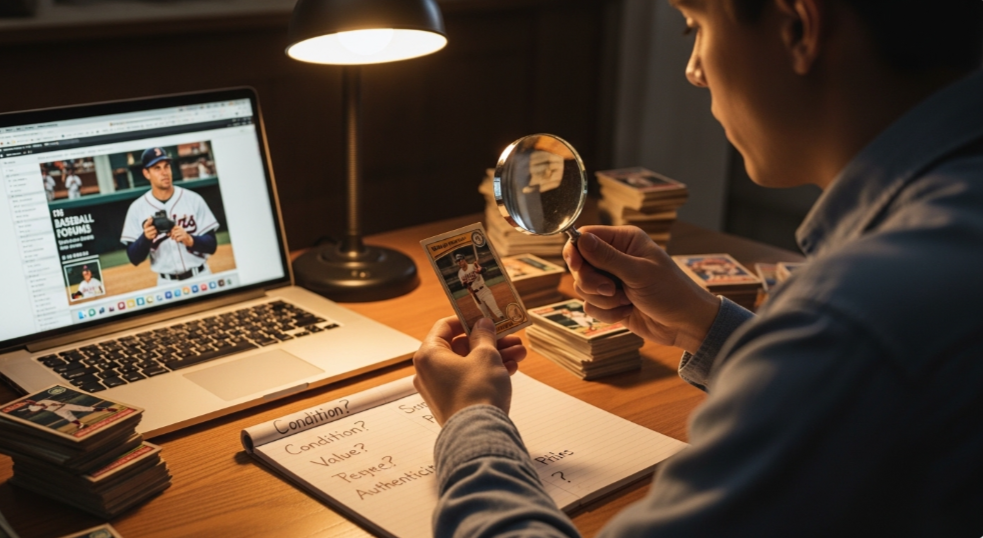
The best first move after finding baseball cards, old or new to you, is not guessing. It is protecting the collection, sorting it fast, and focusing on the cards that can actually change the outcome.
If you found old vintage baseball cards in North Carolina and want a clear opinion before you do anything else, start by reviewing the North Carolina appraisal page and the guide on what to expect when meeting us. At Baseball Card Roadshows, we make the process easier by looking at the full collection, not just one or two cards, so that you can move forward with more confidence and less guesswork.
FAQs
Are old baseball cards worth anything if they were stored badly?
Sometimes, yes. Poor storage can hurt condition, but age, player, rarity, and demand still matter. Even if some cards have wear, do not throw the collection out or assume it has no value.
What to do with old baseball cards if I have thousands of them?
Do a fast four-pile sort first. Pull older vintage baseball cards, stars, rookie cards, graded cards, and unopened packs out of the bulk. That gives you a better starting point without researching every card one by one.
Where can you sell old baseball cards in North Carolina?
That depends on the collection. Some people do best with a private appraisal and direct sale, especially when the collection is older, inherited, or too large to list card by card.
Who buys old baseball cards besides card shops?
Private buyers, auction houses, collectors, and appraisal-based buyers all exist, but the right option depends on value, condition, era, and how much work you want to do yourself.
How much are old baseball cards worth if they are not graded?
Some raw cards still carry strong value, especially valuable old baseball cards tied to key players, rookie cards, and better vintage issues. Grading can help in the right situation, but raw cards should be priced first before assuming grading will improve the outcome.