
What to Do Before You Call a Baseball Card Buyer
Before you call anyone, our biggest goal is simple: help you get a clean, confident answer about what you have, without missing the few cards that carry most of the value. This checklist is the exact prep we recommend before you contact a buyer, whether you have one binder or a full closet of boxes, especially if you have been looking for where to buy baseball cards.
Know Your Goal Before You Talk Money With Any Buyer
Most stressful calls happen when the goal is unclear. Take 60 seconds and decide what you want:
- A free appraisal and a value range, even if you do not sell today
- A same-week cash offer for the whole collection
- A plan to sell only key items and keep the rest
- A simple answer to “Is this mostly bulk or do I have key cards?”
If you want to see how our appraisal process works and what timelines look like, the details are laid out on our baseball card appraisals page.
Build Three Quick Piles So Nothing Valuable Gets Buried Today
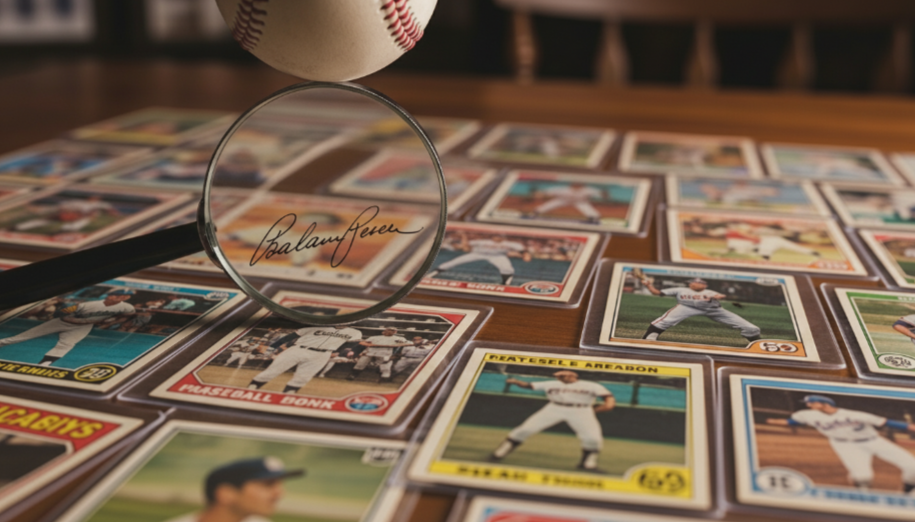
You do not need to sort every card. You need to separate the collection into three piles so a buyer can price it correctly.
Pile 1: Your best stack (10 to 50 cards)
Pull anything that looks like it might be a “yes” card:
- stars and rookies
- autographs and numbered cards
- anything pre-1970 or clearly older
- any graded slabs
Pile 2: Older cards and sets
Keep these in their original order if possible. Buyers look for patterns, runs, and missing numbers in complete sets and near-complete sets.
Pile 3: Everything else
This is where most buying baseball cards conversations go wrong. Sellers say “it’s all here,” but they only show the best pile. The buyer needs the bulk, too, because the bulk changes the total work, the total resale options, and the final offer.
If you want a quick, simple way to judge whether your pile is likely to have real value, use our worth-money checklist here.
Take Photos That Let a Buyer Price Faster and More Fairly
A buyer can only work with what they can see. Good photos do two things: they protect you from vague guesses, and they protect the buyer from surprises.
Send or take these photos:
- One wide photo of the full collection (boxes, binders, stacks)
- One wide photo of your best pile
- Front and back of the 10 to 20 best cards
- Close-ups of corners and surface on your top cards
- Clear photos of any slab labels
This is the same prep we recommend before any private meeting. Our full prep list is here.
Learn the Two Pricing Languages: Graded Cards and Raw Cards
Buyers price graded vs raw differently because the risk is different.
- Graded vs raw: Graded cards have a defined grade and are easier to comp, while raw cards can hide small flaws.
- Raw pricing depends heavily on a quick condition check: centering, corners, edges, and surface.
- If a raw card is priced like a perfect slab, ask yourself if you would be comfortable grading it and getting that result.
You do not need to become an expert. You need to avoid the most common trap: assuming a clean-looking raw card equals high-grade value. This matters whether you are planning to sell or you are still actively best place to buy baseball cards for your collection.
Use a Simple Comp Check So You Are Not Anchored to One Listing
When a buyer prices your key cards, the baseline should come from comps and sold listings, not random asking prices.
A simple comp check you can do in minutes:
- Match the exact year, set, and card number
- Match the same grade if graded, or the closest raw condition
- Compare at least three recent sales
- Ignore the single highest outlier sale
This helps you stay grounded in fair market value and keeps the call calm and clear.
Understand the Bulk Math Before You Hear a Bulk Number
Most collections are a mix of key cards and baseball cards in bulk. Bulk is not worthless, but bulk is priced by workload.
A buyer’s bulk number usually reflects:
- Time to sort and pull the key cards
- Supplies and storage
- Selling fees and shipping risk
- How fast does bulk move in lots
- How much of the bulk is true commons versus sellable lots
If you have baseball cards in bulk, your job is to show whether that bulk is organized and sellable, or truly random. Organizing bulk often brings a better outcome.
Do Not Clean Cards, Do Not “Fix” Corners, Do Not Trim
If your instinct is to wipe a card down, pause. Cleaning and “improving” cards can create doubts about authenticity or alteration, especially on older cards.
Do this instead:
- Keep cards dry and flat
- Protect the best cards in sleeves and top loaders
- Let the condition be evaluated as-is
That one decision prevents a lot of regret.
Write a Five-Line Summary That Makes the Call Smooth Every Time
Before you call, write these five lines in your notes app:
- How many boxes and binders do you have?
- What sports are included?
- Rough years or decades (best guess is fine)
- Are there graded slabs?
- What do you want: an appraisal, an offer, or both?
- This keeps the call focused and helps the buyer ask better questions, instead of treating the call like a general “baseball cards wanted to buy” chat with no details.
Ask These Buyer Questions to Avoid Surprises Later Every Time
A good buyer will answer these clearly. Ask them in a friendly way:
- Are you buying the full collection, or only selected cards?
- How do you price: by sold listings and comps, or by a flat percentage?
- Is the offer cash, and how is payment handled?
- If you travel, what areas do you cover?
- What do you need from me to give the most accurate number?
If the answers feel vague, get another opinion. This is your collection. That is exactly why people look for who buys baseball cards in the first place.
When a Private Appointment Beats Guessing Over the Phone Today
Phone calls and photo estimates are great for getting started, but some collections deserve an in-person look, especially if you have older cards, graded slabs, or a mix of sets, and you want a private appointment that feels calm and focused.
If you want to know what a private appointment is like, we explain the experience here: meeting sports card buyers.
What We Do Next at Baseball Card Roadshows for Sellers
Our job is to make the process feel simple and private. We evaluate the collection, explain what is driving value, and then outline clear options.
If you want to understand the scope of what we do, it is summarized here: our services overview.
A Clear Next Step That Saves You Time and Stress Today
If you have your three piles and your photos ready, the next step is easy. Share a short note and a few photos so we can guide you quickly.
You can reach us through our contact us page. This is the clean next step if you are done to look buying topics like best baseball card packs to buy, and now you need a safe, clear selling path.
If you want more selling and appraisal guides like this one, browse our blog.
Quick Recap: The 10-Minute Checklist Before You Call Anyone Today
- Decide your goal: appraisal, offer, or both
- Make three piles: best cards, older/sets, and the rest
- Take the right photos: full collection, best pile, front/back, closeups
- Do a quick comp check using sold listings
- Do not clean, trim, or “fix” anything
- Write a five-line summary for the call
- Ask the buyer clear questions about how they price and pay
If you do just these steps, you will walk into the call calmer, and you will get a cleaner answer about what your collection is really worth. If you want more guides like this, visit Baseball Card Roadshows.